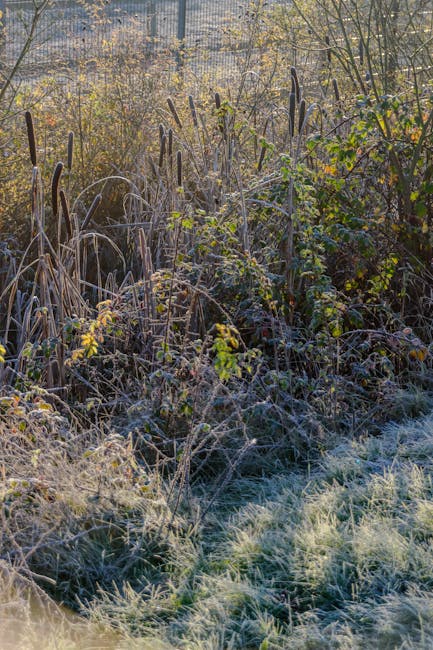
Gardeners Hackney Marshes Clapton Park Estate Garden Guide: A Practical Local Handbook for Better Outdoor Spaces
If you are searching for a Gardeners Hackney Marshes Clapton Park estate garden guide, chances are you want something practical, local, and a bit more grounded than a generic gardening checklist. Fair enough. Gardens on estate properties in and around Clapton Park often need a different approach: shared boundaries, compact plots, wind exposure, patchy soil, busy routines, and the simple reality that not every garden gets endless time or money.
This guide pulls those realities together. It explains how to plan, improve, and maintain an estate garden in Hackney Marshes and Clapton Park with sensible priorities, seasonal care, and realistic ideas that actually hold up in London conditions. You will find advice on layout, planting, maintenance, privacy, lawn care, hard landscaping, and the kind of long-term thinking that saves effort later. And yes, a few small shortcuts too-because nobody needs gardening advice that ignores everyday life.
Table of Contents
- Why this garden guide matters locally
- How estate garden planning works
- Key benefits and practical advantages
- Who this guide is for
- Step-by-step guidance
- Expert tips for better results
- Common mistakes to avoid
- Tools, resources and recommendations
- Law, compliance and best practice
- Options, methods and comparison table
- Case study or real-world example
- Practical checklist
- Conclusion
- Frequently asked questions
Why Gardeners Hackney Marshes Clapton Park estate garden guide Matters
Estate gardens are rarely blank canvases. In many cases, they sit between practical needs and shared expectations. One neighbour wants privacy. Another wants light. Someone else just wants the grass to stop looking tired by May. That is why a local, grounded guide matters. The conditions around Hackney Marshes and Clapton Park can mean more shade than you expected, stronger gusts than you hoped for, and more foot traffic than a suburban lawn ever sees.
Put simply, the best garden decisions are not just about what looks good in a catalogue. They are about what keeps working after a wet week, a windy night, and a busy Saturday. A good estate garden also needs to balance beauty with access, safety, durability, and maintenance that fits real schedules. That is where a practical local approach makes all the difference.
For many residents, the garden is not a luxury. It is a breathing space. A small patch of calm after work. A place for herbs, children, pets, container planting, or just a chair in the evening sun. If you treat the garden as a living part of the home rather than a one-off project, you tend to make better choices. It sounds obvious, but people forget it all the time.
When privacy is a concern, it can help to think beyond fences alone. Mixed planting, hedging, evergreen climbers, and layered screening usually create a softer, more durable result. If you want to explore privacy planting ideas, these fast-growing hedge options are a useful starting point. They are not magic, of course, but they can solve more problems than a bare boundary ever will.
How Gardeners Hackney Marshes Clapton Park estate garden guide Works
The guide works by breaking the garden into practical zones and treating each one according to its function. That may sound a bit technical, but it is actually very simple. You look at what the space needs, what it can tolerate, and how much upkeep you can realistically manage. Then you build from there.
Most estate gardens respond well to a layered approach:
- Structure first: paths, edges, boundaries, and access routes.
- Surface next: lawn, gravel, paving, decking, or mulch.
- Planting after that: shrubs, climbers, perennials, herbs, and seasonal colour.
- Maintenance planning last: mowing, pruning, watering, and seasonal checks.
That order matters. If you choose plants before solving drainage, shade, or access, you often end up reworking the garden later. And rework is where budgets start leaking away.
In Hackney Marshes and Clapton Park, a lot of gardens benefit from solutions that are resilient, low-fuss, and good at coping with awkward conditions. Ground cover can be much more useful than people expect. It helps suppress weeds, soften borders, and reduce bare soil. For ideas that are genuinely adaptable to UK gardens, see this guide to ground cover options.
Another thing the guide takes seriously is seasonal weather. London can be mild, yes, but it can also surprise you. Sudden cold snaps, heavy rain, and gusty spells can do more damage than most people plan for. If you want to prepare properly, weather protection advice and winter plant safety guidance are worth reading alongside this article.
Key Benefits and Practical Advantages
A well-thought-out estate garden does more than look tidy. It changes how the space feels and how often you use it. That might sound like a small thing, but in real life it is huge. A garden that is calm, usable, and easy to care for tends to be enjoyed rather than avoided.
Here are the main benefits people usually notice first:
- Better privacy without making the space feel closed in.
- Less maintenance pressure through the right planting and surface choices.
- Improved kerb appeal and a more welcoming first impression.
- More usable outdoor time across spring, summer, and even mild winter days.
- Stronger resilience against weeds, wind, and seasonal weather.
- Better family use if children or pets share the garden.
There is also a quieter benefit that people often mention after a project is finished: the sense that the garden finally matches the way they live. Not every space needs a dramatic makeover. Sometimes what you need is a good lawn edge, a safer path, a few evergreen screens, and a seating corner that does not wobble every time the wind picks up.
If you are working to a tighter budget, don't overlook the basics. A tidy border, a refreshed lawn, compost improvement, and a few container changes can transform how a garden feels. There is a useful low-cost angle here too, and budget garden improvement ideas can help you prioritise where money actually makes a visible difference.
Who This Is For and When It Makes Sense
This guide is useful for quite a few people, not just experienced gardeners. In fact, some of the best results come when someone with a fresh pair of eyes starts with the right plan.
- Estate residents who want a garden that feels more private, tidy, or liveable.
- Busy households that need low-maintenance planting and practical surfaces.
- Landlords and property managers looking for neat, durable outdoor presentation.
- Families wanting safer, child-friendly, and usable garden zones.
- Pet owners who need durable planting and robust lawn solutions.
- New gardeners who want a straightforward way to start without overcomplicating things.
It also makes sense when the garden is technically fine but not functioning well. Maybe the lawn has become patchy. Maybe the boundary feels too exposed. Maybe the path gets muddy every time it rains. Maybe there is a corner you avoid because it looks tired and nobody knows what to do with it. That is exactly the sort of situation where a clear plan helps.
If you are new to gardening, start simple. The basics matter more than clever ideas. A few beginner-friendly principles are covered in these essential gardening tips for beginners. No shame in starting there. Everyone does, more or less.
Step-by-Step Guidance
Here is a sensible process for planning and improving an estate garden in Hackney Marshes or Clapton Park. It avoids the common trap of buying plants first and sorting the structure later.
- Assess the garden honestly
Look at sunlight, shade, drainage, wind, access, soil condition, and how the space is actually used. Be practical. Stand there for a few minutes at different times of day if you can. The garden in the morning can feel very different at 5pm. - Define the job of each zone
Decide where people walk, where they sit, where the border sits, and where planting can do the heavy lifting. If privacy matters most, prioritise screening. If entertaining matters, focus on level surfaces and seating. - Sort the surface condition
Repair compacted soil, improve drainage if needed, and clear out dead material. A clean start usually makes every later step easier. If the space needs major intervention, garden restoration advice can help you think through the rebuild. - Choose structural planting
Evergreen shrubs, hedges, climbers, and well-behaved grasses create backbone. If there is shade, consider climbers and shade-tolerant options rather than forcing sun-loving plants into a poor spot. Evergreen climbers for shaded spaces are often a smart move. - Add ground cover and fill gaps
Ground cover can be a real workhorse. It suppresses weeds, reduces exposed soil, and gives the garden a finished look without too much fuss. - Plan maintenance from day one
Ask yourself who will mow, prune, sweep, water, and check the space through winter. If the answer is "nobody yet," then simplify the design. Honestly, that happens more often than people admit.
A helpful rule of thumb: design for the least enthusiastic week of the year, not the best one. It is a small but powerful shift in thinking.
Expert Tips for Better Results
Small decisions often produce the biggest gains. Here are the things that usually make an estate garden feel more polished and easier to manage.
- Layer planting for depth. A mix of ground cover, shrubs, and taller plants looks better than a flat line of identical specimens.
- Use evergreen structure. In London gardens, evergreen planting helps the space look cared for even in winter.
- Think about wind. Open estate gardens can get surprisingly blustery. Wind breaks, hedging, and careful placement of taller plants can prevent a lot of damage. See methods for minimising wind disturbances.
- Keep lawn edges crisp. A neat edge can make even a modest garden look ten times better. No exaggeration there, really.
- Choose plants for your actual conditions. A lovely plant in the wrong place quickly becomes a headache.
- Use containers for flexibility. They are ideal where access is tight or you want seasonal colour without major digging. Container gardening ideas can be a useful companion to this guide.
- Feed the soil, not just the plants. Healthy soil improves water retention, root strength, and long-term performance.
One more thing: if you want a more polished look with less ongoing work, hedge trimming and shaping really matter. It is easy to underestimate how much visual order comes from clean lines. The right approach is explained well in these hedge trimming techniques.
And if your garden is meant to be family-friendly, a bit of planning around surfaces, sightlines, and safe planting goes a long way. You do not need a theme park. Just enough interest to keep children engaged and enough structure to keep adults sane. There are good ideas in this children's garden article and this guide to engaging garden spaces for children.
Common Mistakes to Avoid
It is usually the small avoidable mistakes that cause the most frustration later. Here are the ones we see most often.
- Choosing plants before fixing conditions: shade, drainage, and wind matter more than impulse buys.
- Overfilling the space: too many species can make maintenance harder and the layout feel cramped.
- Ignoring mature size: that "small shrub" may not stay small for long.
- Creating high-maintenance lawns in difficult spots: if grass struggles, consider a more resilient alternative or reduce the lawn area.
- Forgetting access paths: gardens become annoying fast when movement routes are awkward or muddy.
- Neglecting winter protection: a few simple precautions can prevent a lot of damage.
- Using the wrong pruning timing: some plants tolerate more intervention than others, so don't trim everything on the same weekend and hope for the best.
A lot of people also forget that weeds do not wait politely. They are very efficient at taking over bare patches. If that sounds familiar, these weed control strategies are worth a look.
One slightly boring but important point: a tidy garden is not always a healthy garden. Sometimes over-cleaning removes habitat, mulch, or protective cover the soil actually needs. Balance matters.
Tools, Resources and Recommendations
You do not need a shed full of expensive kit to manage a good garden. But the right basics save time and stop small jobs becoming frustrating. If you are working on a project in Hackney Marshes or Clapton Park, these are the tools and resources most worth having.
- Hand tools: secateurs, pruning saw, trowel, hand fork, gloves.
- Maintenance tools: lawn mower, edging tool, rake, stiff broom, watering can or hose setup.
- Soil and planting aids: compost, mulch, plant supports, canes, ties.
- Protection items: fleece or cloches for tender plants, wind supports, and protective covers for bad weather.
If you want a more informed toolkit, this guide to backyard gardening tools is a practical companion. For soil improvement, turning organic waste into richer soil is a smart and sustainable habit. And if your garden needs a stronger greenery framework, you may also find vertical gardening ideas helpful where space is tight.
For hard surfaces, do not ignore patios and paths. Slippery or stained paving changes how the whole garden feels, and not in a good way. A fresh surface can restore the sense of care instantly. If that is on your list, patio cleaning is one of those unglamorous jobs that pays off quickly.
Here is a practical summary box:
Expert summary: The best estate garden improvements are usually not dramatic. They are layered, durable, and easy to live with. Fix the structure, simplify the planting, improve the soil, and plan maintenance before you fall in love with the plant list.
Law, Compliance, Standards, or Best Practice
For most domestic gardens, there is no need to overcomplicate compliance. Still, good practice matters, especially on estate properties where shared boundaries, access, and safety can affect other residents. If you are arranging work with a professional, it is sensible to check insurance, safety practices, and terms before anything begins.
In practical terms, that means:
- making sure access routes are safe and clear before work starts;
- using suitable protective equipment for cutting, lifting, and ladder work;
- being cautious with trees, overhanging branches, and root disturbance;
- keeping children and pets away from active work areas;
- agreeing what will be removed, pruned, or retained before the job begins.
If you are comparing services, it helps to review pages such as insurance and safety, health and safety policy, terms and conditions, and payment and security. That is just sensible due diligence, really.
For hedge work specifically, boundaries can be sensitive on shared or close-proximity properties, so it is wise to review the scope carefully. Hedge trimming in Hackney Marshes is relevant if you are deciding what to tidy, shape, or reduce.
And if a problem becomes too large for a quick fix, professional support can be the right move. There is no medal for doing everything yourself, despite what the internet occasionally suggests.
Options, Methods, or Comparison Table
Choosing the right approach depends on how much time, privacy, and maintenance you want. Here is a simple comparison of common estate-garden methods.
| Method | Best for | Strengths | Trade-offs |
|---|---|---|---|
| Lawn-led layout | Open family spaces | Simple, familiar, good for play | Needs mowing, feeding, and weed control |
| Mixed planting borders | Visual appeal and habitat | Looks fuller, offers seasonal interest | Needs pruning and planning |
| Privacy hedging | Close neighbours or exposed plots | Soft screening, year-round structure | Takes time to establish |
| Container garden | Small or rented spaces | Flexible, portable, easy to refresh | Needs watering more often |
| Low-maintenance hardscape | Busy households | Less upkeep, cleaner lines | Can feel stark if overdone |
There is no single winner. A lot of the best gardens use a combination: a small lawn, durable paths, evergreen screening, and containers for colour. If you want to lean into habitat-friendly planting, the article on gardens and climate-conscious choices may be useful too.
Case Study or Real-World Example
Picture a modest estate garden with patchy grass, a windy corner, and a boundary that feels far too open. Nothing dramatic. Just the sort of garden that gets used less and less because it never quite feels finished.
The first step would be to clear the obvious clutter and assess the soil. The lawn area might stay, but only where it makes sense. The windy side could be softened with a layered hedge or tall shrub planting, while the shadier patch at the back could take evergreen climbers and a few containers rather than struggling turf. A narrow seating area might be added near the house, because realistically, people use the part nearest the door most often.
From there, maintenance becomes simpler. Mowing is kept to a manageable rectangle instead of an awkward shape. Borders are mulched. The same few plants are repeated for cohesion. The result is not extravagant. But it works. And once the garden works, it starts getting used again, which is the whole point.
That sort of transformation is why services like garden maintenance, lawn care, and landscaping can be worth considering when a space needs more than a quick tidy. If the lawn is the main issue, lawn mowing support can also keep the whole property looking sharper with less effort on your side.
Practical Checklist
Use this checklist before you begin any estate garden update. It keeps the project honest.
- Check sun, shade, wind, and drainage across the garden.
- Decide what the space must do: privacy, play, relaxing, growing, or all of the above.
- Identify problem zones such as bare soil, muddy paths, or tired lawn patches.
- Choose the easiest structural changes first.
- Keep plant selections suited to the actual conditions.
- Plan for year-round interest, not just summer colour.
- Include at least one low-maintenance element.
- Make access for mowing, pruning, and cleaning straightforward.
- Think about pets, children, and shared boundaries.
- Review whether the job needs professional help for safety, scale, or finish quality.
If you are collecting ideas for a full refresh, gardening services and about us can help you understand the broader support available, while pricing and quotes is the sensible next stop if you want a clearer picture of costs.
Conclusion
A good Gardeners Hackney Marshes Clapton Park estate garden guide is not about chasing perfection. It is about building a garden that suits the way you live, the weather you get, and the time you have. Once those pieces line up, the space becomes easier to enjoy and much easier to maintain.
Start with structure. Choose resilient planting. Keep maintenance realistic. Then refine slowly. That is usually how the best local gardens come together-one practical decision at a time, with a few small course corrections along the way.
Get a free quote today and see how much you can save.
And if you take only one thing from this guide, let it be this: a calm, usable garden is built, not stumbled into. Bit by bit, it gets there.
Frequently Asked Questions
What is the main purpose of a Clapton Park estate garden guide?
The main purpose is to help you make realistic gardening decisions for a shared or estate-style outdoor space. That usually means balancing appearance, privacy, access, upkeep, and the actual conditions in the garden rather than following generic advice.
How do I make an estate garden look better without spending too much?
Start with the visible basics: clean edges, better soil, a refreshed border, and a small amount of structural planting. Budget-friendly changes often make the biggest visual difference when they are done in the right order.
Which plants work best for windy gardens in Hackney Marshes?
Plants that can tolerate exposure and hold structure are usually best. Hedging, evergreen shrubs, and well-placed climbers tend to perform better than delicate plants that need shelter. Wind protection planning matters as much as plant choice.
Is lawn still a good idea for estate gardens?
Yes, but only where it makes sense. If the space gets heavy foot traffic or has poor drainage, a smaller lawn or a mixed-surface design can be more practical. A lawn should earn its place, really.
How often should an estate garden be maintained?
That depends on the design, but most estate gardens benefit from regular light maintenance rather than occasional big clear-ups. Weekly or fortnightly attention in peak season often prevents larger problems later.
What are the best low-maintenance features for a shared garden?
Ground cover, hardy shrubs, mulch, paved paths, and evergreen screening are all useful. They reduce empty soil, limit weeds, and keep the garden looking cared for with less work.
Do I need professional help for hedge trimming or tree work?
If the hedge is tall, awkwardly placed, or part of a shared boundary, professional help is often the safer option. Tree work is a different level again and is usually best handled with proper equipment and safety planning.
How do I improve privacy without making the garden feel boxed in?
Use layered planting rather than one solid wall of material. A mix of hedging, climbers, and shrubs usually looks softer and feels more natural than hard screening alone.
What should I check before hiring a gardener for an estate property?
Look at insurance, safety practices, clear scope of work, and pricing terms. On shared properties, it also helps to confirm access, waste removal, and what happens to any plants or features being removed.
Can container gardening work in a Clapton Park estate garden?
Yes, very well. Containers are useful for small spaces, seasonal colour, herbs, and areas where digging is difficult. They also let you change the look of the garden without committing to major permanent planting.
How do I prepare a garden for winter in London?
Protect tender plants, clear fallen debris, secure loose items, and check drainage before wet weather sets in. A bit of attention in autumn can save you a lot of stress once the colder months arrive.
Where should I start if my garden feels completely overwhelmed?
Begin with a reset: clear clutter, assess the condition of the lawn and borders, and decide what the garden should actually do. If the space is badly overgrown or poorly laid out, a restoration approach can be more effective than isolated fixes.
How do I get a quote or discuss a bigger project?
If you are ready to talk through a more detailed plan, the best next step is to request a quotation and explain your priorities clearly. A good brief makes the whole process easier for everyone involved.