Health and Safety Policy for Gardeners
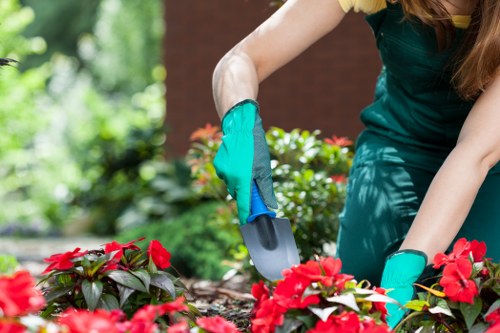 Health and safety is a central part of all gardening work carried out in outdoor and shared green spaces. For gardeners working in local environments such as Hackney Marshes, it is important to maintain a careful approach that protects staff, visitors, equipment, and the surrounding landscape. This policy sets out the standards expected for safe, responsible, and consistent working practices.
Our approach to gardeners' health and safety is based on prevention, awareness, and sensible working methods. Gardening can involve manual handling, sharp tools, variable ground conditions, exposure to weather, and contact with plants or substances that may cause harm. Every task must be assessed with a practical mindset so that risks are reduced before work begins.
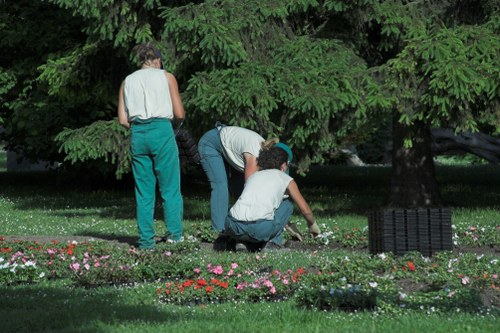 We recognise that garden maintenance and grounds care often involve changing conditions throughout the day. Wet surfaces, uneven terrain, heavy lifting, and moving machinery can all increase the chance of injury if they are not managed properly. For this reason, all gardening teams must remain alert, communicate clearly, and follow safe working procedures at all times.
Risk assessment is required before starting any job. A member of the team should identify hazards, consider who may be affected, and decide what control measures are needed. This may include isolating work areas, checking tools before use, planning lifting tasks carefully, and ensuring that protective clothing is worn where appropriate. Simple precautions often prevent serious incidents.
Personal protective equipment, or PPE, must be selected according to the task being completed. Gloves, sturdy footwear, eye protection, hi-vis clothing, hearing protection, and weather-appropriate outerwear may be necessary. PPE should be maintained in good condition and replaced when damaged or no longer suitable. It is essential that all staff understand when and how to use each item correctly.
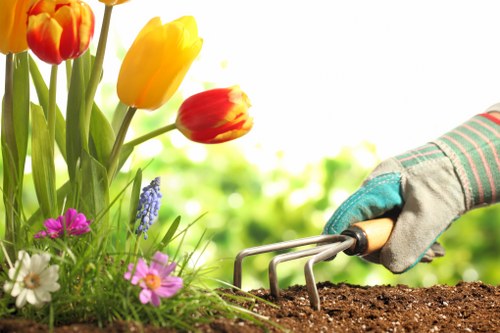 Safe use of tools and machinery is a key part of any gardener safety policy. Equipment must be inspected before use, stored securely after use, and handled only by trained personnel. Blades, trimmers, mowers, and powered tools must never be used carelessly or left unattended in public areas. Where possible, machines should be switched off before adjustments, cleaning, or clearing blockages are carried out.
Manual handling is another important area of control. Gardeners may need to move soil, compost, waste, containers, or equipment, and these tasks can lead to strain or back injury if done incorrectly. Loads should be reduced where possible, lifting should be planned in advance, and team lifting should be used for heavier items. Good posture and steady movement are far safer than rushing.
Weather exposure must also be considered in all seasons. Hot conditions may lead to dehydration, sunburn, or fatigue, while cold and wet conditions can reduce concentration and increase the risk of slips or illness. Regular breaks, hydration, suitable clothing, and flexible scheduling help support safe work. Supervisors should monitor staff wellbeing and adjust tasks if the weather becomes unsafe.
Hygiene and contamination control are essential when working with soil, compost, waste materials, or potentially irritant plants. Hands should be washed after tasks, cuts should be covered, and any contaminated clothing should be cleaned promptly. The handling of chemicals, fertilisers, and weed control substances must follow safe storage and application procedures, with clear instructions available to those using them.
 Public safety must never be overlooked, especially in areas where members of the public may pass nearby. Work zones should be marked clearly when needed, tools should not be left in walkways, and noise or debris should be controlled. Gardeners must remain courteous and alert, particularly where children, pets, or cyclists may be present. A tidy work area supports both safety and professionalism.
Training and supervision are required so that all staff understand the risks involved in their tasks. New workers should receive an introduction to site rules, emergency arrangements, equipment handling, and reporting procedures. Ongoing refresher instruction helps maintain high standards and ensures that safe practices remain consistent. Competence, confidence, and caution should always go together.
Any accident, near miss, damage, or unsafe condition must be reported immediately and recorded according to workplace procedure. Prompt reporting allows corrective action to be taken and helps prevent repeat incidents. Where an issue is identified, work should stop if necessary until the hazard has been controlled. This commitment to learning from incidents strengthens the overall safety culture.
 Emergency planning is an important final part of this policy. Teams should know what to do in the event of injury, fire, severe weather, equipment failure, or other unexpected situations. First aid arrangements, evacuation routes, and communication procedures should be clear to everyone involved. Preparation supports a calm and effective response when time matters.
This policy applies to all gardening activities and to everyone involved in carrying them out. By following careful working methods, using equipment responsibly, and staying aware of hazards, gardeners can protect themselves and others while maintaining high-quality outdoor spaces. Safe working is not an extra step; it is part of every task.