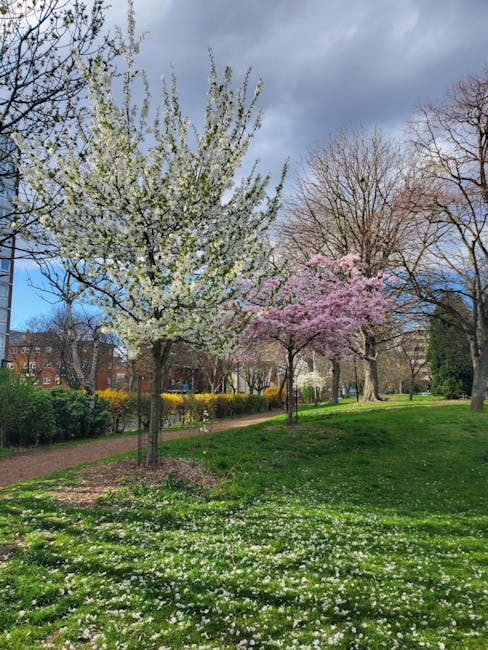
Local gardeners Hackney Wick quick lawn rescue and repair

If your lawn has gone patchy, muddy, scalped, or simply looked a bit defeated after a rough spell, you are not alone. In Hackney Wick, gardens can take a beating from shade, foot traffic, summer dryness, winter wet, and the general chaos of busy urban living. That is exactly where local gardeners Hackney Wick quick lawn rescue and repair becomes useful: fast, practical help that turns a tired lawn back into something you can actually enjoy again.
What matters most is not just making the grass look better for a day. It is fixing the root cause so the lawn has a proper chance to recover. In this guide, you will learn what a quick lawn rescue involves, how a repair visit usually works, what results you can expect, and how to decide whether to do it yourself or bring in a professional. We will keep it plain-English, honest, and useful. No fluff, no grand promises.
Why Local gardeners Hackney Wick quick lawn rescue and repair Matters
A lawn can look damaged for lots of reasons, and most of them happen quietly. One wet week and a bit of repeated walking can leave compacted soil and bald patches. A dry spell can turn the surface crisp and brittle. Shade from fences, sheds, or trees can make one side thin out while the sunnier side grows unevenly. Then there are weeds, moss, pets, and the occasional over-enthusiastic mow. It adds up fast.
Quick repair matters because lawn problems tend to spread. A small muddy section becomes a wider dead patch. A few weeds get space to seed. Compacted soil pushes out water and air, which makes recovery slower. If you leave it too long, you are not just fixing grass anymore; you are rebuilding the growing conditions underneath it.
In a place like Hackney Wick, where many outdoor spaces are compact, shared, or heavily used, the lawn often has to do more than just look nice. It may need to handle children running over it, pets using the space daily, a clothesline area, or a pathway to a deck or patio. So a fast rescue is not vanity. It is a practical reset.
Expert summary: the best lawn rescue is usually a sequence, not a single fix. Assess the cause, correct the soil or drainage problem, tidy the surface, repair the bare areas, and give the grass time to settle. That approach lasts longer than a quick cosmetic patch. Simple, but easy to miss in a rush.
How Local gardeners Hackney Wick quick lawn rescue and repair Works
A proper rescue visit starts with diagnosis. The visible problem is not always the true problem. A lawn that looks dry may actually be waterlogged underneath. A lawn full of moss may be suffering from shade and poor airflow rather than a lack of mowing. A repair job that skips this first step can look good briefly and then slide backwards. Bit annoying, but common.
Local gardeners usually work through the lawn in layers:
- Surface clean-up: removing leaves, debris, weeds, and dead grass.
- Condition check: looking at soil firmness, drainage, shade, wear patterns, and disease signs.
- Treatment: scarifying, aerating, feeding, top-dressing, re-seeding, or patch-sodding where needed.
- Protection: reducing traffic and setting up the lawn to recover evenly.
The method depends on the damage. For thin grass, overseeding may be enough. For heavily worn areas, a deeper repair might be needed, including soil improvement and re-levelling. For mossy or waterlogged lawns, the fix is often about airflow and drainage rather than more seed. That is why experience matters: quick does not mean sloppy.
If you are comparing wider help beyond lawn repair, a service like lawn care can be useful when the problem is ongoing rather than one-off. If the lawn damage sits inside a bigger garden refresh, garden maintenance is often the better fit because it covers the wider picture.
Key Benefits and Practical Advantages
When a lawn is repaired properly, the difference is not subtle. The space feels calmer, cleaner, and more usable. You notice it the moment you step outside. That slightly squelchy, scruffy look is gone. The garden suddenly feels like somewhere you want to sit with a mug of tea instead of avoiding with your eyes.
- Faster visual recovery: patchy grass can be improved quickly rather than waiting months for slow regrowth.
- Better resilience: healthier turf copes better with rain, dry spells, and regular use.
- Reduced weed pressure: thick grass naturally leaves fewer gaps for weeds to move in.
- Safer footing: levelled, repaired areas are easier to walk on and less likely to become muddy hazards.
- Higher kerb appeal: even a small front or back lawn can lift the whole look of the property.
- More usable space: kids, pets, and guests all benefit from a lawn that can handle real life.
There is also the practical side. A repaired lawn usually costs less to maintain later because it is not constantly fighting the same underlying issues. To be fair, that is the real win: fewer emergency fixes and less time spent chasing problems every few weeks.
For lawns that keep getting invaded by weeds, it can help to read about three weed control strategies for a pristine lawn. Weed control and repair go hand in hand more often than people think.
Who This Is For and When It Makes Sense
This kind of service is not only for people with large gardens or fancy lawns. In fact, smaller urban lawns often need it more because they are worked harder. If you live in a terrace, maisonette, apartment with shared outdoor access, or a compact Hackney Wick garden, quick rescue work can make a big difference without turning the whole space upside down.
It makes sense if you are dealing with any of the following:
- bare patches from pets, parties, or constant footfall
- mud that keeps appearing after rainfall
- moss that seems to be taking over
- uneven turf after winter or utility work
- grass that is yellowing, thin, or weak
- a lawn that has been overcut and needs help recovering
- a garden that needs to look presentable before a gathering, sale, or rental inspection
It also makes sense if you have already tried the obvious fixes and the problem keeps coming back. That usually means the issue sits deeper than the surface. Maybe drainage is poor. Maybe the soil is compacted. Maybe the grass species is not suited to the shade or the amount of use. That is where a local professional eye is genuinely helpful.
Sometimes the lawn is only one part of the story. A garden may also need help with surrounding structures, edges, or access routes. In those cases, it can be worth looking at landscaping support or general gardening services if the whole outdoor space needs a cleaner, more joined-up result.
Step-by-Step Guidance
Here is a sensible way to approach quick lawn rescue and repair, whether you are doing parts of it yourself or just want to understand what a good job should include.
- Inspect the damage closely. Walk the lawn slowly. Look for bald spots, soggy zones, compaction, weeds, pests, and changes in colour or texture.
- Identify the cause. Ask what changed recently. Heavy rain? A trampoline? New paving work? Shade from growth? The cause matters more than the symptom.
- Clear the area. Remove debris, fallen twigs, dead material, and anything that blocks light and airflow.
- Relieve compaction. If the soil feels hard underfoot, aeration helps water and oxygen move more freely through the root zone.
- Repair the surface. Fill shallow dips, level worn areas, and prepare bare patches for seed or turf.
- Feed and seed. Use suitable seed for the site conditions, then apply the right feed or top-dressing if needed.
- Water carefully. Keep the repaired area moist but not flooded. Overwatering is a classic mistake, honestly.
- Limit traffic. Give the lawn a break while roots settle in. Temporary barriers or simple habits help more than people expect.
- Review after recovery. Check what worked and what did not. Small follow-up adjustments often make the difference between a short fix and a lasting one.
A decent repair plan should also match the season. In colder months, growth slows and recovery can take longer. During warmer months, water management becomes more important. A local gardener with UK experience will know how to adapt the timing rather than forcing one method year-round.
Expert Tips for Better Results
Quick lawn repair is not really about being flashy. It is about getting the basics right, then not fussing too much. Here are the details that make a noticeable difference in real gardens.
- Match seed to the conditions. Sun, shade, and heavy use all call for slightly different approaches.
- Do not overcut the lawn before repair. Short grass is not always healthy grass. Leave enough leaf surface for recovery.
- Top-dress lightly. A thin layer of suitable soil or compost can help level and support new growth without smothering it.
- Fix edges as well as the middle. Many lawns look tired because borders are ragged. It is a small thing, but it changes the whole impression.
- Think beyond the patch. If water collects in the same place after rain, the repair should include drainage or contour correction.
- Use compost wisely. Good organic matter improves the soil, but too much of the wrong material can create another problem. Balance matters.
If your lawn sits under trees or beside fences, shade and airflow become part of the repair strategy. It may help to borrow ideas from other garden improvements, such as weather protection for exposed gardens or ways to reduce wind disturbance. Those factors affect turf health more than most people realise.
One small, honest tip: if your lawn is a bit of a mess, do not try to fix everything in one afternoon unless you really have the time. Rushed repairs can be worse than no repair at all. Better to do a clean, measured job. The grass will thank you, quietly, with less drama.
Common Mistakes to Avoid
Most lawn rescue problems come from good intentions and slightly wrong timing. That is not a criticism; it happens all the time. The trick is knowing where people usually go wrong.
- Only treating the surface. If the soil is compacted or poorly drained, the problem will come back.
- Using too much seed or feed. More is not automatically better. In fact, it can create weak, uneven growth.
- Mowing too soon after repair. New grass needs time to root properly before it is cut again.
- Ignoring shade. A repaired patch in deep shade may need a different grass type or a different plan entirely.
- Overwatering. A constantly soggy lawn can turn thin repair work into a muddy disappointment.
- Forgetting the edges and access routes. Repeated trampling on one route can undo a lot of effort.
Another common issue is trying to repair a lawn without first checking whether the surrounding garden is contributing to the damage. Overhanging branches, poor drainage from decking, and compacted soil near paths can all affect the turf. If that sounds familiar, it may be worth looking at tree surgery support or decking services where nearby structure is part of the problem.
Tools, Resources and Recommendations
You do not need a van full of specialist kit to rescue a lawn, but the right tools make the work cleaner and less frustrating. A tidy result often comes from simple tools used properly.
- Lawn rake: useful for removing thatch, debris, and dead material.
- Hand fork or aerator: helps open the soil in small problem areas.
- Seed spreader: gives more even distribution than throwing seed by hand.
- Topsoil or top-dressing mix: helps level dips and support new growth.
- Sharp mower blades: important for clean cutting once the lawn has recovered.
- Watering can or hose with a gentle setting: better for newly seeded patches than a harsh spray.
For homeowners who like to understand the process before they book help, a useful next step is to read about the basics of lawn mowing and broader lawn care. That gives you a clearer picture of what routine maintenance should look like after the repair is done.
If you are working on a budget, a phased approach can help. Start with the worst area, stabilise it, then move to the rest of the lawn later. You do not need to make the garden perfect in one go. Truth be told, most good gardens are built in stages.
For practical inspiration on rebuilding a tired outdoor space, starting over with garden restoration is a helpful mindset. If the budget is tight, reviving your garden on a budget can help you prioritise what to fix first.
Law, Compliance, Standards, or Best Practice
For lawn rescue work, there usually is not much legal complexity for the homeowner, but there are still sensible standards to follow. In the UK, good practice around garden work is mainly about safety, waste handling, and being considerate to neighbours and shared access areas.
If a gardener is using powered tools, lifting heavy materials, or working in a space with trip hazards, they should follow sensible health and safety procedures. It is reasonable to ask how the job will be carried out safely, especially if there are children, pets, uneven steps, or access through communal paths. If you want to know more about the standards a professional team follows, a company should be happy to explain its health and safety policy and wider insurance and safety approach.
For waste, most reputable gardeners will keep green waste separate where possible and dispose of it responsibly. Compostable material can often be reused, but diseased clippings or contaminated debris need more care. If you are unsure, it is best to ask rather than guess.
There is also a practical planning point. If the repair involves shared boundaries, trees, or changes near fences and paving, it is wise to make sure the work does not create avoidable disputes or damage. A careful crew will think about that before they start. Small thing, big difference.
Options, Methods, or Comparison Table
Not every damaged lawn needs the same treatment. Sometimes the best fix is a small patch repair; sometimes it needs full renovation. Here is a simple comparison to help you think clearly.
| Method | Best for | Speed of visible improvement | Typical downside |
|---|---|---|---|
| Spot patch repair | Small bare or damaged areas | Fast | May look mismatched if the surrounding grass is poor |
| Overseeding | Thin lawns with still-healthy soil | Moderate | Needs patience and careful watering |
| Aeration and feeding | Compacted lawns or weak growth | Moderate | Does not fix severe bare patches on its own |
| Top-dressing and levelling | Uneven lawns and shallow dips | Moderate | Can be messy if applied too heavily |
| Full renovation | Very worn, patchy, or weed-dominated lawns | Slower at first | Most disruptive, but often the most reliable long-term fix |
If your lawn has become heavily weeded or patchy across a wide area, a full repair may be cleaner than repeated small fixes. On the other hand, if only one corner is suffering near a gate or path, a targeted patch is usually smarter. The right choice is the one that fits how the space is actually used.
Case Study or Real-World Example
Here is a realistic example from the kind of situation local gardeners see all the time. A small rear lawn in Hackney Wick had become thin and muddy near the back step. The owners had two dogs, a narrow access point, and a shaded corner where grass struggled every winter. The lawn was not dead, just tired, and one patch kept turning to soup after rainfall. Lovely image, I know.
The repair started with clearing the surface and checking the soil. The compacted area near the step was loosened, then topped with a light repair mix. The worst bare patch was reseeded, while the shaded section was assessed for long-term suitability rather than simply filled again with the wrong seed. The team also reduced the wear path by adjusting how people moved through the garden and tidied the edge near the step so runoff would not keep collecting there.
The result was not instant perfection, and that is worth saying. The lawn still needed watering, light protection, and a careful first mow later on. But the space went from looking patchy and muddy to looking settled and usable again. That is the real point of quick rescue: not a magic trick, just a well-timed reset.
For gardens where pets are a big part of daily life, it can also help to read dog-friendly garden tips so the repaired lawn stays practical as well as attractive.
Practical Checklist
Use this simple checklist before and after any lawn rescue job. It keeps things grounded, which is helpful when the garden is giving you side-eye.
- Identify whether the damage is from wear, shade, drought, weeds, or drainage.
- Check if the soil feels hard, spongy, or constantly wet.
- Clear away debris, clippings, and dead material.
- Decide whether the fix is spot repair, overseeding, or more extensive renovation.
- Use suitable seed or turf for the light and foot traffic conditions.
- Keep watered areas moist, not soaked.
- Avoid mowing too short while the lawn is recovering.
- Reduce traffic on new repairs for as long as needed.
- Watch for recurring drainage or shade issues.
- Plan a simple maintenance routine so the same damage does not return.
If the lawn issue is part of a wider outdoor overhaul, you might also want to explore fencing, patio cleaning, or even more about the team if you are comparing who to trust with the work. A garden often improves fastest when all the pieces are considered together.
Get a free quote today and see how much you can save.
Conclusion
Local gardeners Hackney Wick quick lawn rescue and repair is really about restoring confidence in your outdoor space. A damaged lawn can make a whole garden feel unfinished, but the right repair work can bring it back to life without overcomplicating things. Start with the cause, not just the symptom. Repair the soil, not just the surface. Then protect the recovery so the results stick.
Whether you need a few bare patches sorted, drainage improved, or a tired lawn brought back into shape before it spreads any further, the best outcome usually comes from calm, practical work done properly. That is the sort of garden fix that lasts past the weekend. And that, frankly, is what most people want.
There is always room for a better lawn, even if the garden looks a bit rough right now. Sometimes all it takes is one good, tidy rescue to make the whole place feel new again.
Frequently Asked Questions
What does quick lawn rescue and repair usually include?
It usually includes assessing the damage, clearing debris, improving the soil where needed, repairing bare or thin areas, reseeding or patching, and setting the lawn up for recovery. If the root cause is drainage, shade, or compaction, a good repair will address that too.
How fast can a damaged lawn improve?
Some improvements are immediate, such as tidying, levelling, and removing dead material. Fresh growth takes longer. Depending on the season and the condition of the soil, visible recovery may begin in a couple of weeks, but full improvement usually takes longer.
Is overseeding enough for a patchy lawn?
Sometimes yes, especially if the lawn is generally healthy and the problem is just thinning. If the soil is compacted, the area is waterlogged, or the grass has been badly worn away, overseeding alone may not be enough.
Why does my lawn keep getting bare patches in the same spot?
Recurring bare patches usually point to an underlying issue such as foot traffic, pet wear, shade, compacted soil, or poor drainage. If you repair the patch without fixing the cause, it often comes back again. Annoying, but very normal.
Can a lawn be rescued in a shaded garden?
Yes, but shaded lawns need a more careful approach. Some grass types cope better than others, and the site may need improved airflow, less competition from tree roots, or even a change in strategy if the area is very dark.
What is the difference between lawn repair and full lawn renovation?
Lawn repair usually targets specific damaged areas or weaker sections. Full renovation is a bigger reset for lawns that are heavily worn, badly weeded, or structurally poor. Renovation takes more time but can be the better long-term solution.
Should I water a repaired lawn every day?
Not necessarily. New seed and fresh repairs need consistent moisture, but not saturation. The aim is to keep the top layer damp enough for germination and rooting. Overwatering can create rot, runoff, or compaction.
When is the best time of year for lawn repair in the UK?
Many lawn repairs are best done during milder periods when the grass can actively grow and recover. Timing depends on the method used, the weather, and the state of the garden. A local gardener can advise on the best window for your specific site.
Do I need professional help for a small lawn?
Not always. Small patch repairs can be manageable on your own. Professional help becomes more useful when the problem keeps returning, the lawn is uneven across a larger area, or you simply want a better result without trial and error.
Will lawn repair help with weeds and moss?
It can, especially if the repair includes improving turf density, soil conditions, and mowing habits. But weeds and moss often need their own attention too. A thicker lawn reduces space for both, which is why repair and weed control work well together.
How do I know if drainage is the real issue?
If the ground stays soggy after rain, if the lawn smells damp or earthy for too long, or if certain areas always puddle, drainage may be involved. The repair may need aeration, levelling, or a broader landscaping fix rather than just reseeding.
What should I ask before booking a local gardener?
Ask what they think is causing the damage, what repair method they recommend, how long recovery should take, and whether the work includes follow-up advice. It is also fair to ask about safety, waste handling, and whether they can explain the work in plain English.
Can quick lawn repair fit into a wider garden refresh?
Absolutely. In many homes, the lawn is just one part of the picture. A tidy lawn often works best alongside well-kept edges, healthy planting, clean paving, and sensible layout changes. When the whole garden flows better, the lawn tends to hold up better too.